OpenAI Daybreak: The AI Cybersecurity Platform That Wants to Automate Defense
OpenAI launched Daybreak, a GPT-5.5-powered cybersecurity platform that detects vulnerabilities, generates fixes, and speeds up remediation.

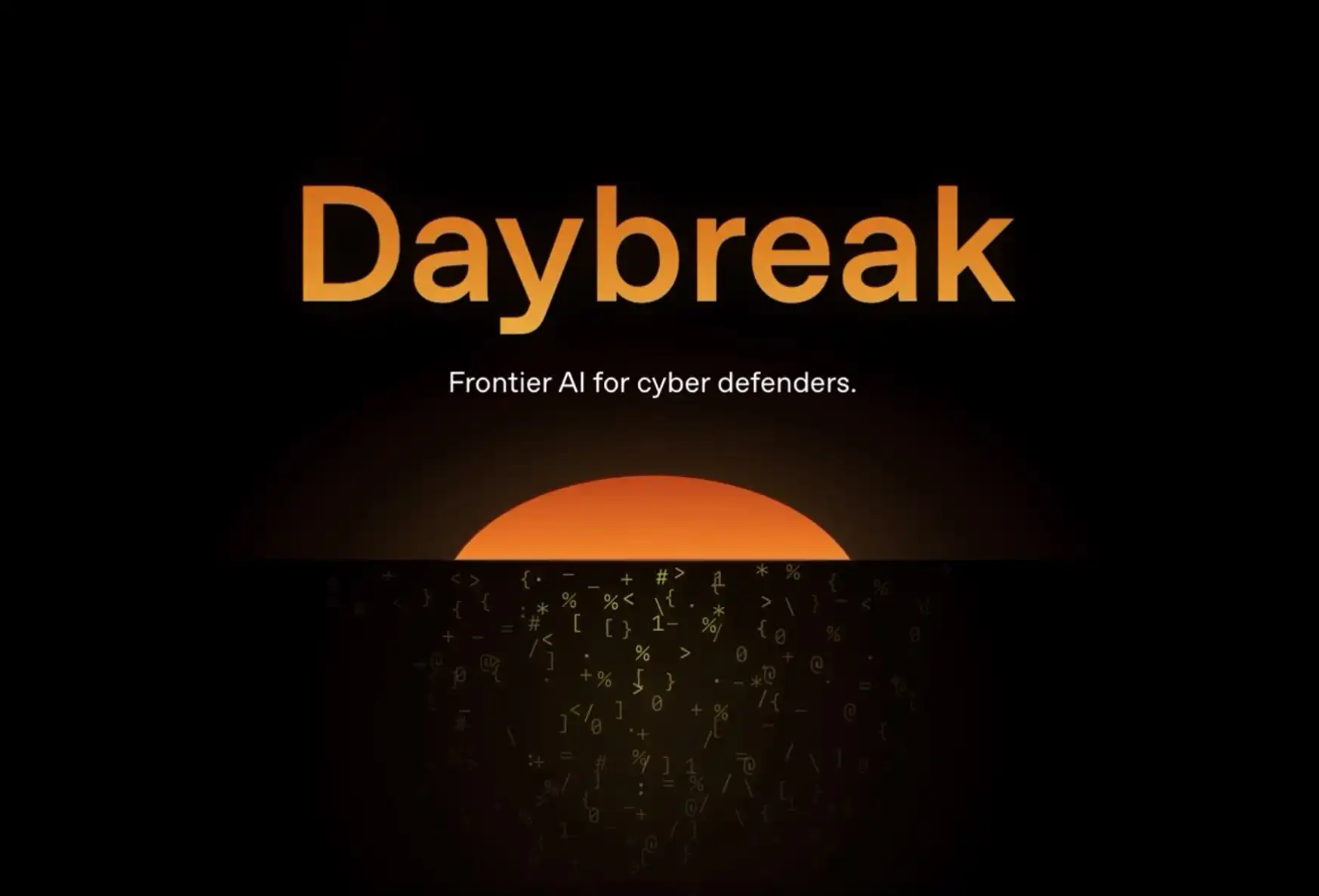
OpenAI Is Moving Beyond Chatbots Into Full Cyber Defense
In May 2026, OpenAI quietly introduced Daybreak, a new cybersecurity initiative designed to automate large parts of modern software security workflows.
But Daybreak is not just another AI security assistant.
According to the available information, the platform combines:
GPT-5.5;
Codex Security;
repository-scale code analysis;
automated vulnerability discovery;
threat modeling;
and AI-generated remediation.
The bigger vision appears much more ambitious:
placing AI directly inside the software security pipeline itself.
And that changes the conversation around cybersecurity automation entirely.
What Daybreak Actually Does
Daybreak is designed to analyze source code repositories at scale and operate more like a security agent than a traditional chatbot.
The system reportedly:
scans repositories;
builds threat models;
identifies vulnerable components;
generates potential fixes;
and provides audit evidence back to security teams.
One of the most interesting aspects is the focus on testable remediation rather than simple vulnerability detection.
That’s important because modern AppSec teams are drowning in alerts already.
Finding vulnerabilities is no longer the hardest part.
Fixing them quickly without breaking production is.
Daybreak appears specifically optimized for that remediation bottleneck.
Built Around “Security by Design”
OpenAI reportedly positions Daybreak around a “security by design” philosophy rather than occasional AI-assisted auditing.
That means continuous analysis integrated directly into development workflows.
Instead of:
periodic pentests;
isolated scans;
or manual code reviews,
the idea is to create persistent AI-driven defensive oversight across the software lifecycle.
The platform also reportedly uses isolated investigation environments during analysis to reduce operational risks while inspecting suspicious code or exploit paths.
That architecture matters because AI-assisted security tooling introduces its own attack surface.
Why This Matters for Cybersecurity
The real significance of Daybreak isn’t just automation.
It’s scale.
Modern enterprises ship massive amounts of code continuously, while security teams struggle with:
alert fatigue;
remediation backlog;
staffing shortages;
and increasingly AI-assisted attackers.
Daybreak appears designed to compress workflows that traditionally required hours or days into minutes.
OpenAI also claims the system reduces false positives by returning evidence-backed findings instead of generic vulnerability guesses.
If effective, that could dramatically change how:
secure code review;
vulnerability management;
and DevSecOps workflows operate.
Access Is Tiered And Highly Controlled
One of the most interesting aspects of Daybreak is that OpenAI is not fully opening the platform to everyone.
According to reports, Daybreak operates under multiple access tiers:
a standard access layer;
a Trusted Access for Cyber program;
and a restricted GPT-5.5-Cyber tier.
The most advanced capabilities reportedly include:
authorized red teaming;
advanced security testing;
and controlled offensive security workflows.
Access to those higher-risk features appears restricted to verified organizations with:
identity verification;
human oversight;
monitoring requirements;
and controlled usage policies.
That’s a major shift in how frontier AI companies are handling cyber capabilities.
Instead of selling one universal model to everyone, they are increasingly segmenting access based on:
risk level;
organizational trust;
and intended use cases.
The Bigger Trend: AI Models Are Becoming Security Infrastructure
Daybreak reflects a much broader industry transformation.
AI companies are no longer just shipping models.
They are building:
controlled operational layers;
governance frameworks;
security access systems;
and specialized deployment environments.
In other words:
the model itself is becoming only one component of a much larger security ecosystem.
And cybersecurity is one of the first domains where this evolution becomes obvious.
The reason is simple:
the same AI system capable of accelerating defense can also accelerate offensive operations if left unrestricted.
That dual-use reality is forcing companies like OpenAI to design controlled-access architectures from the beginning.
The Security Industry Is Entering an AI Arms Race
Daybreak also signals something deeper:
Cybersecurity is entering an era where both attackers and defenders increasingly rely on AI agents.
Attackers already use AI for:
phishing;
malware development;
vulnerability research;
and social engineering at scale.
Defenders are now trying to match that speed with AI-assisted:
remediation;
threat analysis;
code auditing;
and incident response.
The result is an accelerating automation race on both sides.
And platforms like Daybreak may become the foundation of next-generation defensive infrastructure.
Final Thoughts
OpenAI Daybreak is important not because it’s “another AI security tool,” but because it represents a new model for cybersecurity itself.
The platform appears designed to move AI from occasional assistance into continuous defensive operations embedded directly into development workflows.
That could fundamentally reshape:
application security;
vulnerability management;
secure development;
and defensive automation over the next few years.
But it also introduces a difficult balancing act:
how to unlock powerful cyber capabilities without enabling large-scale abuse.
And that tension may define the future of AI cybersecurity platforms more than the technology itself.
Did you enjoy this article?

Written by
Chris
Tech builder · Agentic AI & offensive security
A tech-obsessed builder, I'm building Sentinelle — an autonomous offensive-security AI agent. I write here about agentic AI, AI-assisted pentesting, and what I learn shipping offensive tooling.