Europol Takes Down 1VPNS, the VPN Used by Ransomware Gangs
Europol dismantles 1VPNS, the bulletproof VPN used by ransomware groups, exposing hundreds of cybercriminal users worldwide.


Europol Destroys 1VPNS, the VPN Trusted by Cybercriminals
A major international cybercrime operation has taken down one of the underground world’s most notorious VPN services: First VPN, also known as 1VPNS.
For years, the platform was heavily promoted across Russian-speaking cybercriminal forums as a “bulletproof” VPN designed to protect hackers, ransomware operators, scammers, and botnet administrators from law enforcement investigations.
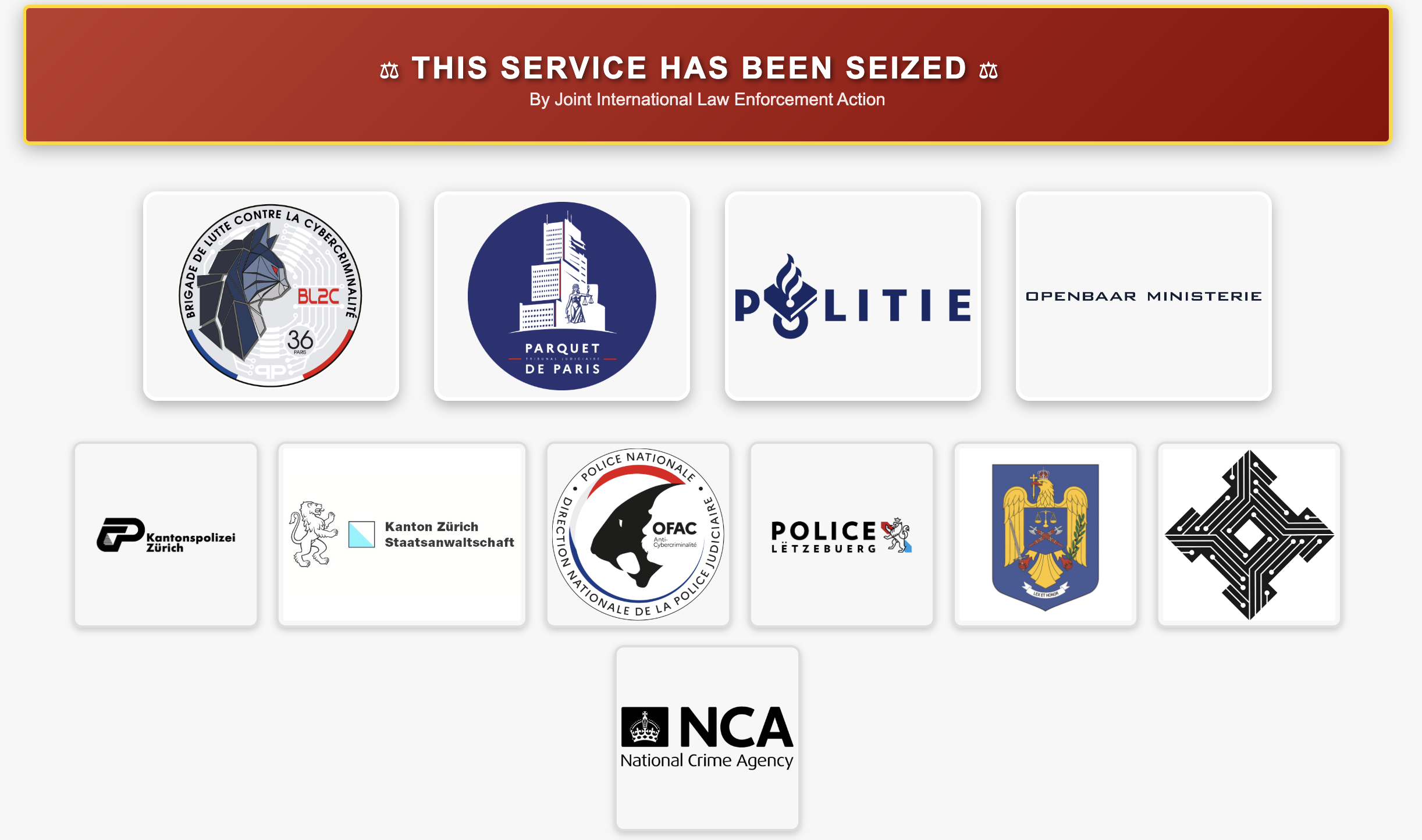
Now, following a coordinated operation called Operation Saffron, the entire infrastructure behind the service has been dismantled.
What Was 1VPNS?
1VPNS was not a regular privacy-focused VPN.
According to investigators, the service was specifically optimized for cybercriminal activities by offering:
Anonymous payment systems
Hidden infrastructure
Servers resistant to seizure attempts
Tools designed to hide the origin of cyberattacks
Authorities revealed that at least 25 ransomware groups used the platform, including the notorious Avaddon ransomware operation.
The VPN also appeared in investigations involving:
Data theft
Large-scale fraud
Botnets
DDoS attacks
Scam campaigns
Large-scale network scanning
Within underground communities, 1VPNS was considered one of the most trusted anonymization services for cybercriminals.
Operation Saffron: Global Cybercrime Crackdown
The takedown took place on May 19–20, 2026.
The operation was led by France and the Netherlands with support from Europol and Eurojust.
A total of 18 countries participated, including:
The United States
The United Kingdom
Germany
Canada
Ukraine
Spain
Sweden
And several other European nations
Key Results of the Operation
Authorities achieved several major breakthroughs:
33 servers seized across 27 countries
Main domains confiscated:
The administrator was identified and questioned in Ukraine
Investigators secretly gained access to the service before the shutdown
User databases and criminal traffic data were collected and analyzed
Perhaps the most alarming detail for users:
Investigators identified at least 506 users linked to cybercriminal activities.
The recovered intelligence also helped:
Distribute 83 intelligence packages internationally
Advance 21 Europol-supported investigations
When the service was shut down, some users reportedly received warning messages informing them they had been identified by authorities.
Why This Operation Matters
This case represents a major shift in the fight against cybercrime.
Law enforcement agencies are no longer targeting only ransomware gangs themselves — they are increasingly attacking the infrastructure that enables cybercriminal ecosystems to operate:
Bulletproof hosting providers
Anonymous VPN services
Malware distribution platforms
Cryptocurrency laundering services
By disrupting these infrastructures, authorities create operational chaos for cybercriminal organizations and increase the chances of identifying them during migration to alternative services.
Many cybersecurity experts believe other underground VPN providers may soon become priority targets for Europol.
Bitdefender’s Role in the Investigation
Bitdefender also played an active role in the operation through its collaboration program with Europol.
This marks one of the first major criminal VPN takedowns involving direct participation from a private cybersecurity company.
The case highlights how cooperation between cybersecurity firms and international law enforcement agencies is becoming increasingly important in modern cybercrime investigations.
Final Thoughts
The fall of 1VPNS sends a strong message to the cybercriminal world: even services marketed as “untouchable” can eventually be infiltrated and dismantled.
For ransomware groups, anonymous infrastructure is becoming increasingly fragile.
And for cybersecurity professionals, this operation confirms an important trend: modern cyber warfare is no longer only about malware — it is also about dismantling the infrastructure that keeps cybercriminal ecosystems alive.
Did you enjoy this article?

Written by
Chris
Tech builder · Agentic AI & offensive security
A tech-obsessed builder, I'm building Sentinelle — an autonomous offensive-security AI agent. I write here about agentic AI, AI-assisted pentesting, and what I learn shipping offensive tooling.